

Dedicated to open access
Customizing
Das Internationale Jahrbuch für Medienphilosophie und Medienästhetik nimmt Customizing als zentrale Kategorie gegenwärtiger Medienkulturen in den Blick. Die Beiträge untersuchen, wie sich ästhetische Erfahrung, epistemische Ordnung und soziale Öffentlichkeit unter Bedingungen datenbasierter und KI-gestützter Medien verschieben.
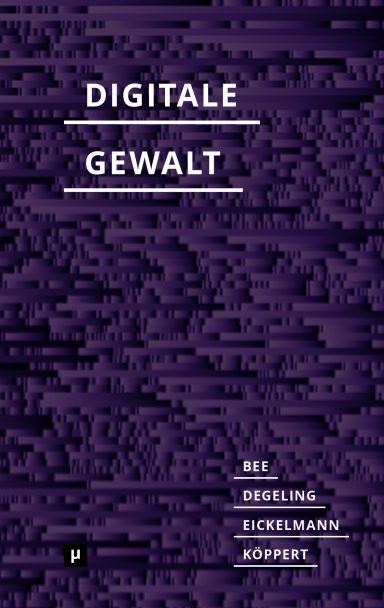
Go to bookDieser Band untersucht Misogynie und Transfeindlichkeit, Rassismus und Faschismus unter digitalen Bedingungen und ordnet diese Gewaltformen mithilfe intersektionaler Theorien ein.
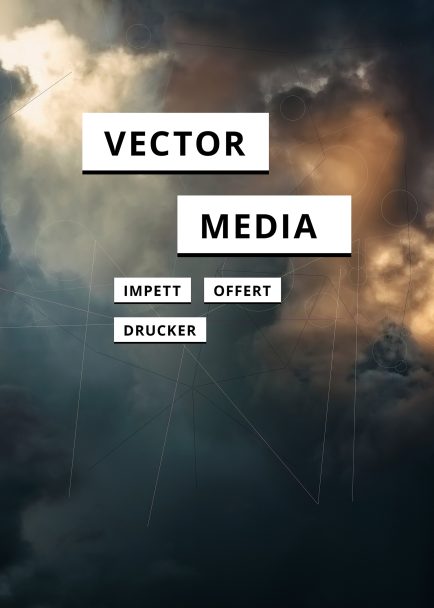
Go to bookVector
Media
Vector Media moves the debate of critical artificial intelligence studies away from generated outputs and toward internal mechanisms as the decisive sites where cultural logics are encoded.
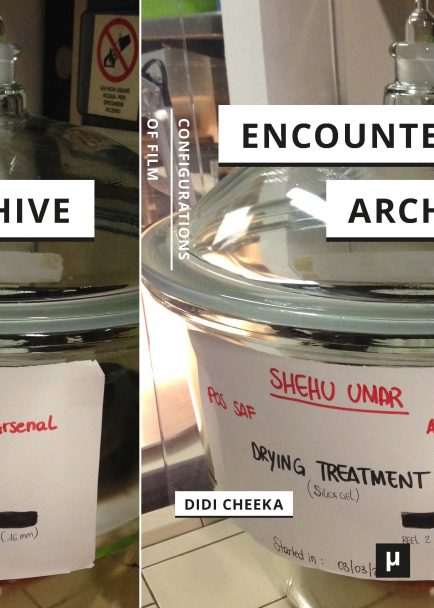
Go to bookIn interviews with leading scholars, curators and archivists this volume re-examines the legacies of internationalist solidarity in the cinema.
Go to bookDistributed
In the “new world order of cultural production” (Fatima Bhutto) cultural specificity is no longer a matter of physical location, but of digital transcreation, the transport of meaning across multiple cultural contexts.
Go to bookSticky Films brings the material and conceptual dimensions of stickiness into conversation, looking for intentional and sometimes unwanted sticky residues in film and media cultures. The chapters explore the feelings of stickiness, sticky modes of being, as well as representations or traces of stickiness in audiovisual media.
Go to bookNew Releases
Our Books







Topics
Featured Series
What are the terms under which media is produced, and how does media impact and change these terms? By pairing up scholars from North America and Europe, this series advances media theory by obviating the gap that exists across language barriers in order to rethink and re-imagine what media can and must do.
Go to seriesThe series Configurations of Film presents pointed interventions by emerging and established international scholars associated with the DFG-funded Graduate Research Training Program (Graduiertenkolleg) “Konfigurationen des Films” at Goethe University Frankfurt.
Go to seriesThe Future Ecologies series investigates emerging ecologies in uncertain worlds—ecologies that are open to the interests of other-than-humans and that care for plural modes of existence. It advocates for interdisciplinary approaches towards the numerous aspects of ecology.
Go to seriesEdited by members of the CDC, the aim of the book series Digital Cultures is to think through the relationship of routines, information flows, communication acts and spaces of action with digital technologies.
Go to series